










The method
See the card for yourself.
Imaginalis never tells you what a card means. It shows you what is on the card, and what people have seen in it for more than a century. Then it asks what you see.
Draw at home from your own deck and log the cards in a few taps. Or shuffle and cut the 1909 Rider–Waite–Smith deck in the app. Lay one card for the day, one of eight spreads, or a spread you design.





What do you notice first?
The water goes from one cup to the other and none of it spills. One foot on the bank, one in the pool.
Journal
Every card you draw, kept with your notes.
Your journal keeps each card and spread by day, with what you wrote. Write a line, or speak it. Your iPhone turns your voice into text, then deletes the recording.
 After thirty days, look back at the cards and images that keep returning. Export the whole journal as one file whenever you like.




Tuesday, 29 September

I keep looking at the flowers, white like little stars. And the tall child bending down so the small one can reach.
Library
The myths and history behind all 78 cards.
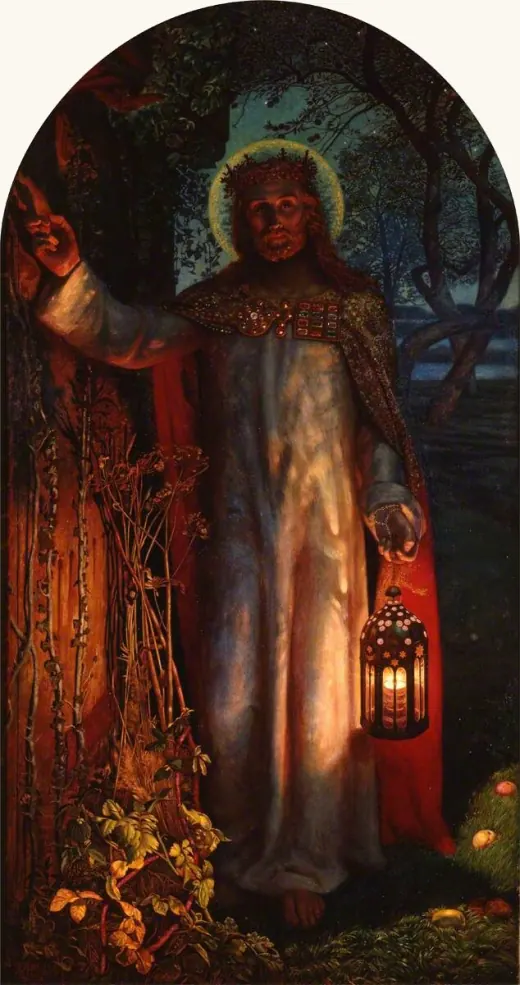
Pamela Colman Smith drew these 78 cards in 1909. Open any of them to see where it comes from and what people have seen in it. Read 69 echoes from myth, art and history, each checked against its sources. A glossary explains the terms, and a shelf holds eight books to read next.


Path
Learn the basics of tarot in four weeks.
Twenty short lessons, one a day, five to seven minutes each. You learn the deck and its history, the 22 trumps, the four suits and their court, and how to lay cards for yourself. What you notice in a lesson goes into your journal.












- Week 1 · Day 1What a tarot deck is6 min
- Week 1 · Day 2How Waite and Smith made this deck6 min
- Week 1 · Day 3How to look at a card6 min